 Türkçe
 English
05 November 2025
3940
Mersin Prefabricated House
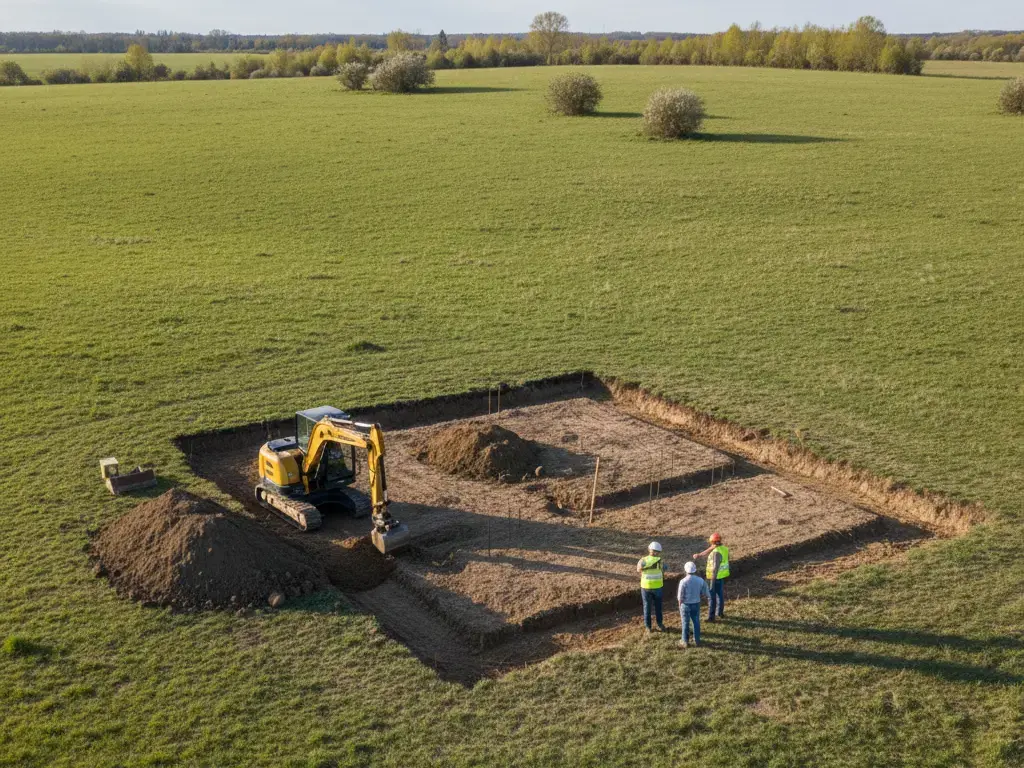
Let's answer this question immediately: Yes, it's possible, but there are not only building requirements but also permits, land use, and infrastructure issues. Prefabricated houses are attractive because they are fast, economical, and flexible. Transforming a field into a livable space is possible with proper planning, soil surveys, road, water, and electrical connections, and legal permits. In this section, we'll discuss both the practical advantages and the legal and technical aspects that should be considered.
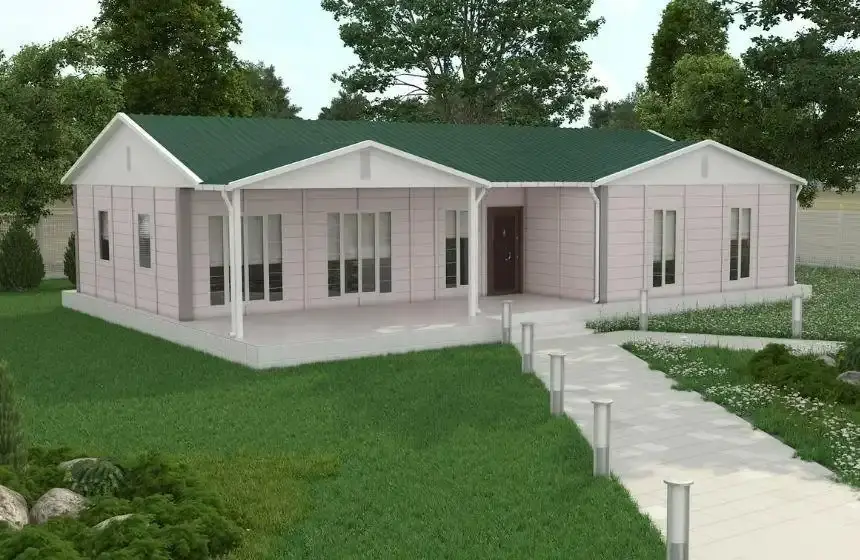
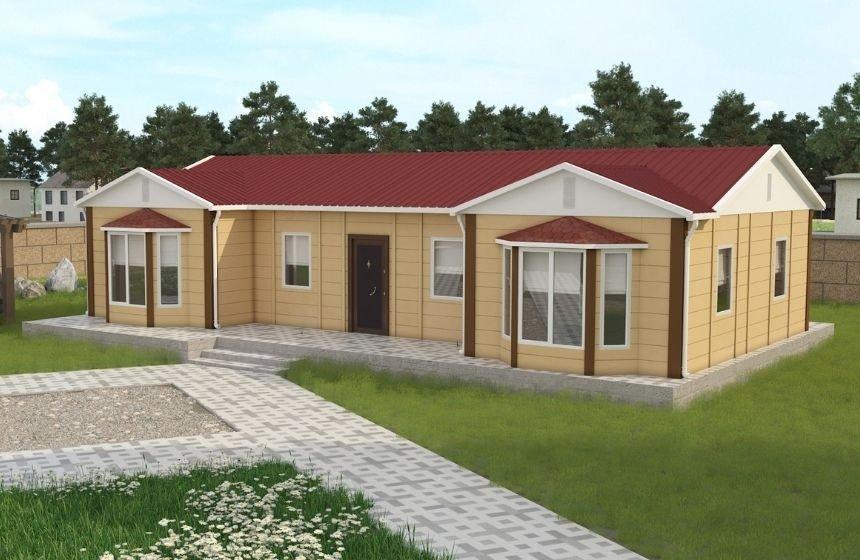
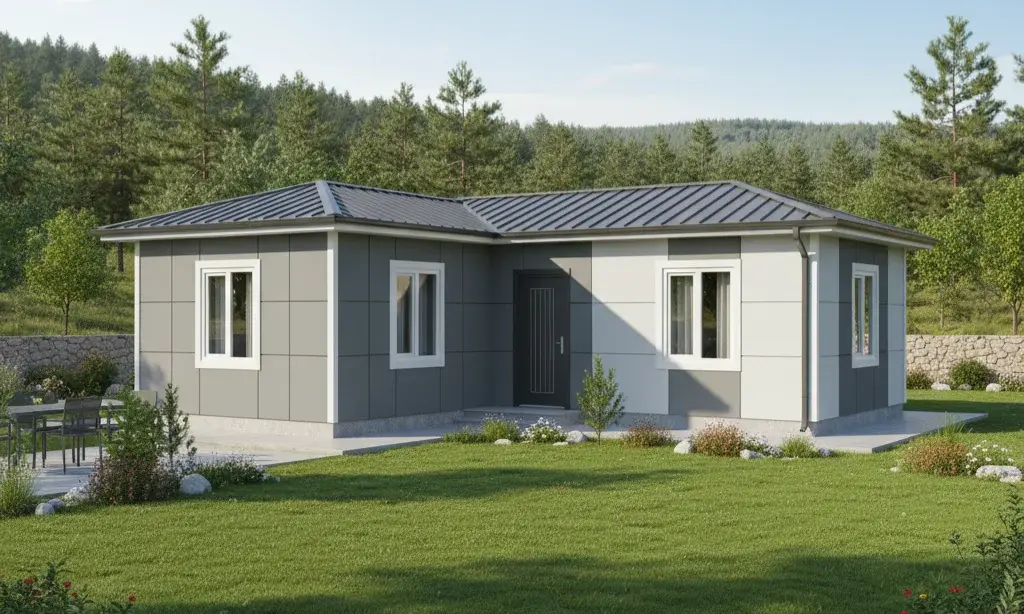
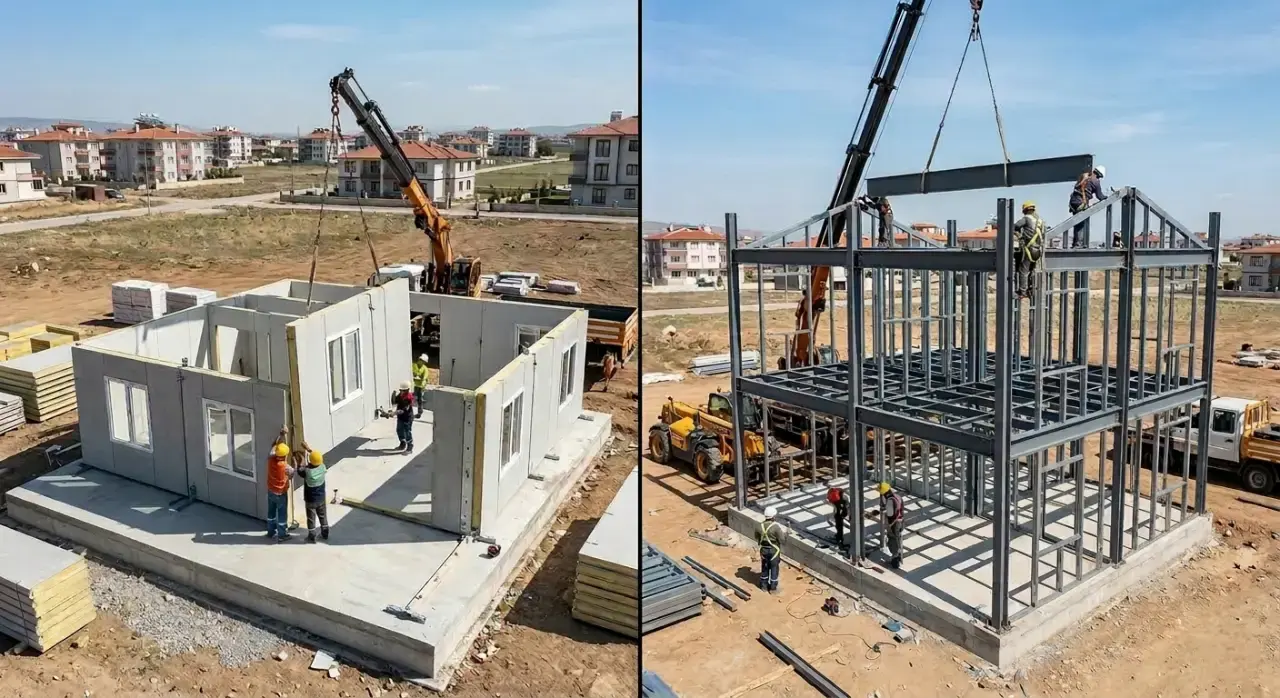
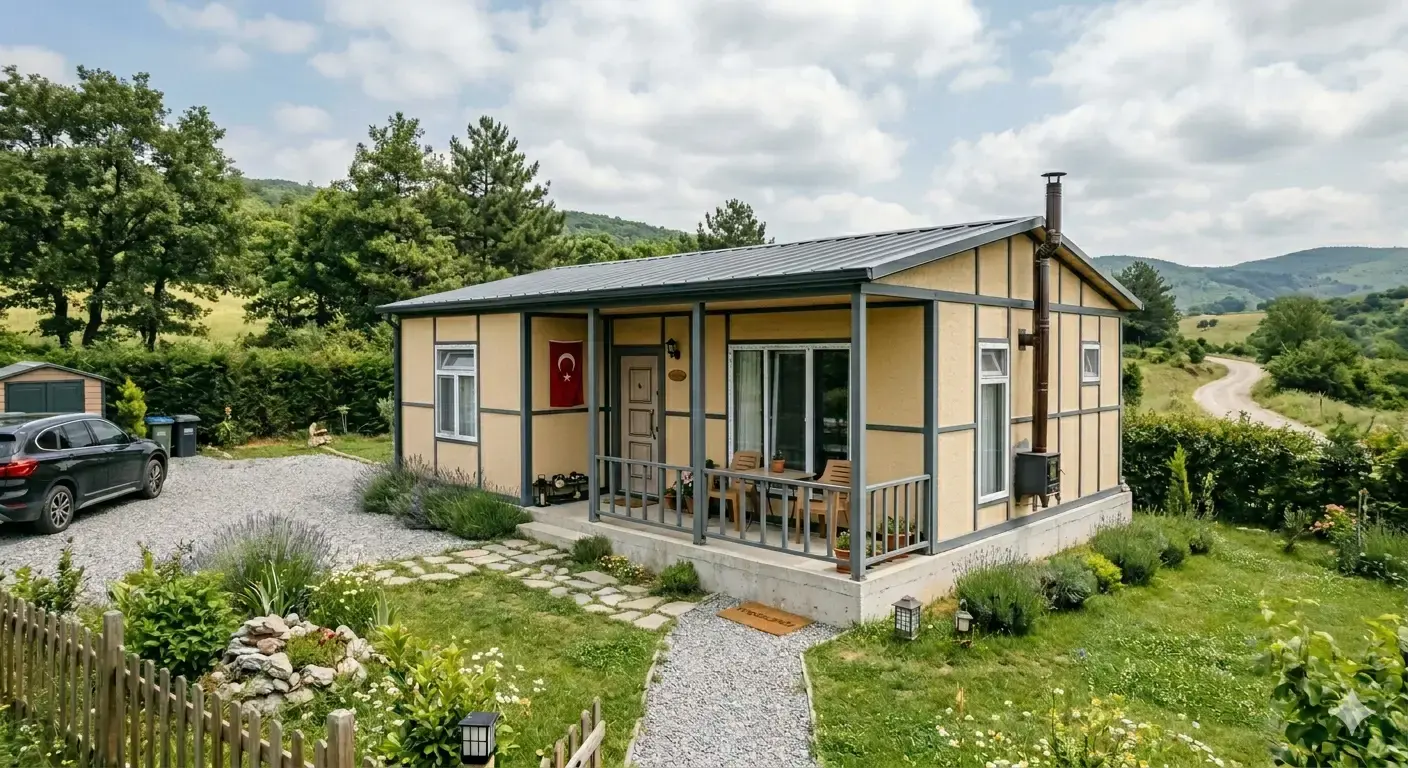
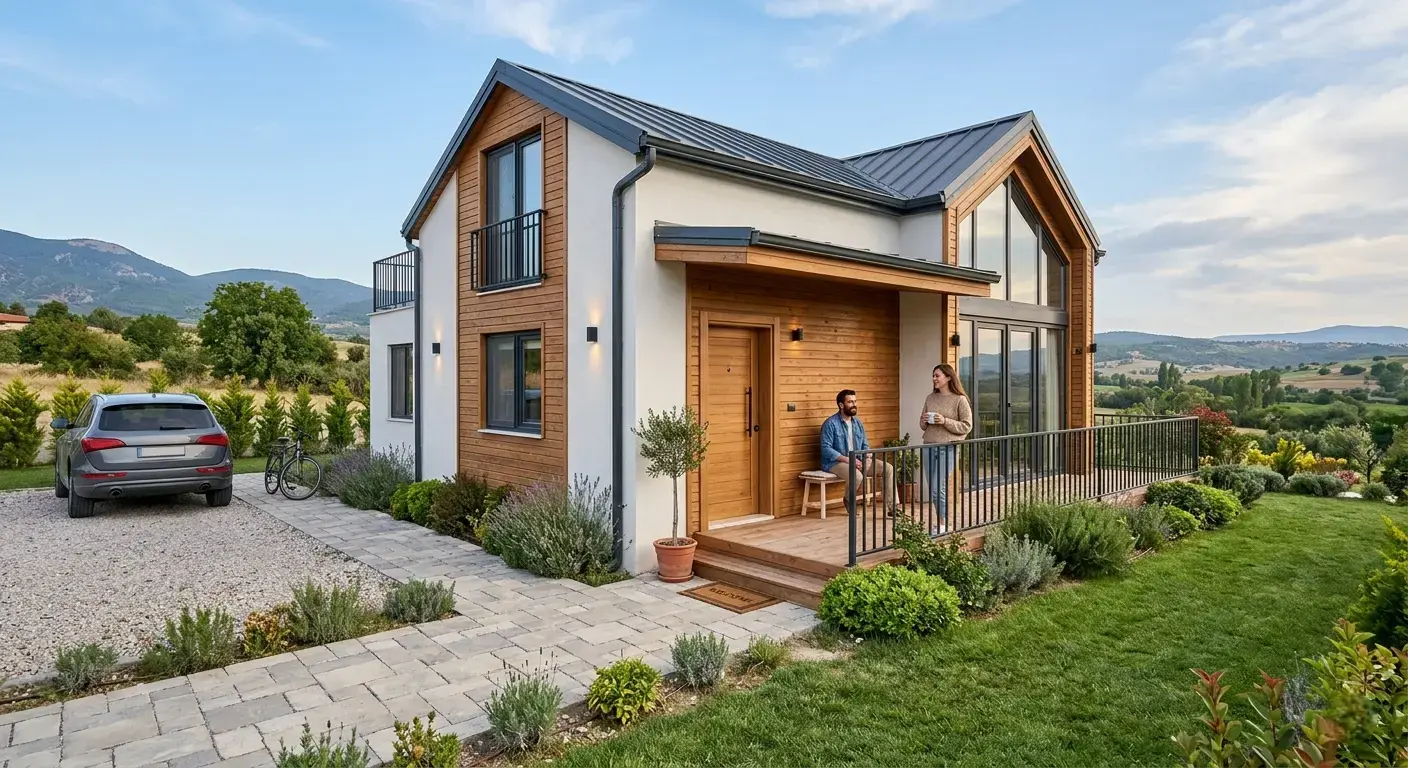
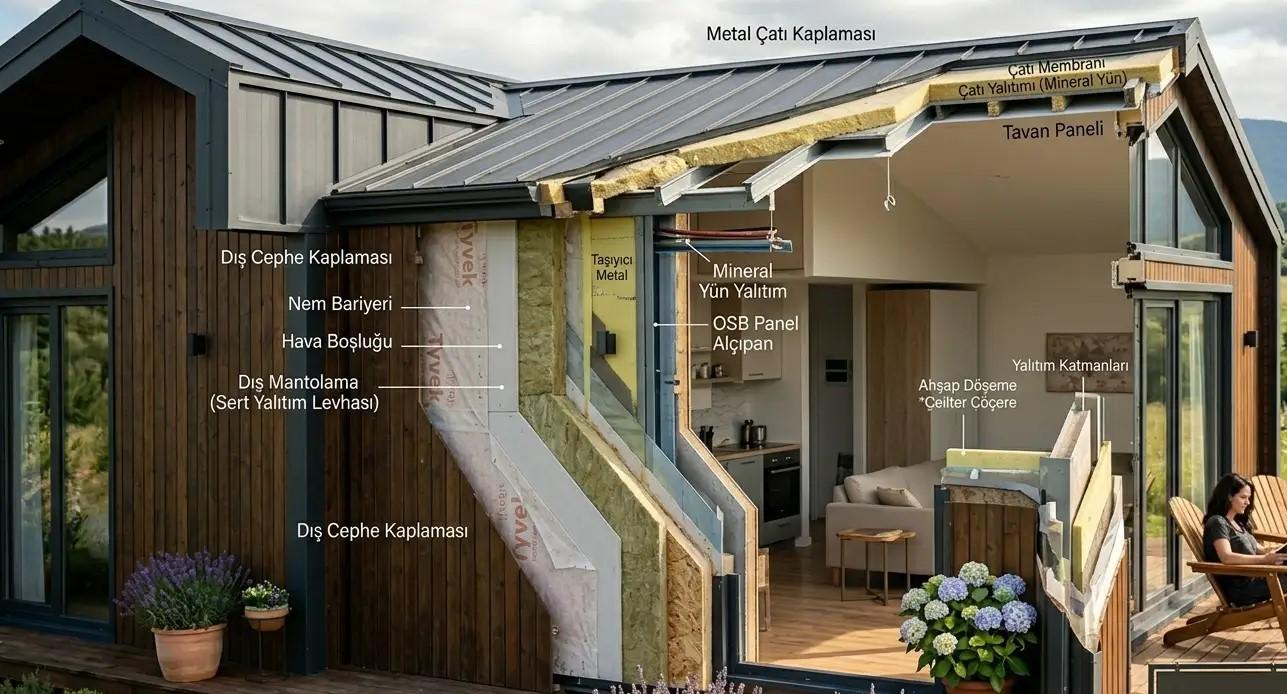
Prefabricated buildings stand out as quick solutions, especially in areas far from city centers, such as fields. They can be erected much quicker than traditional construction, and their costs are more predictable. Furthermore, because they have a modular structure, they can be expanded, renovated, or moved as needed. This provides a practical use for fields that can be adapted for various purposes, such as housing, storage, offices, or hobby homes.

Although a prefabricated house may seem like a "short and practical house," it is often considered a building requiring a building permit by law. The status of the field, its zoning status, whether its agricultural characteristics are protected, and the permit criteria of the relevant municipality/provincial special administration are the most critical steps in the process. In most regions, special permits such as "agricultural building permits" or "agricultural building permits" are required. Proper completion of this step also prevents potential penalties in the future.
Simply level ground is not sufficient for a field where a prefabricated house will be built. Technical issues such as soil surveys, concrete foundation requirements, water supply, electrical power lines, and waste management all directly impact the project. Prefabricated buildings constructed without the proper infrastructure can pose risks to both safety and lifespan. Important factors such as whether fault lines are present should also be considered. Soil health and infrastructure adequacy will directly affect the lifespan of your prefabricated house in the field.
In summary, building a prefabricated house on a field is possible, but the process isn't as simple as just "building and putting it up." With proper planning for both legal permits and technical preparations, an economical and functional living space can be created on the field that can be comfortably used for many years.